
Skip to content

The process

Five stages.
No shortcuts.

A cajon is a simple object, which is exactly why the details are unforgiving. There is nowhere for a mistake to hide inside an empty box.

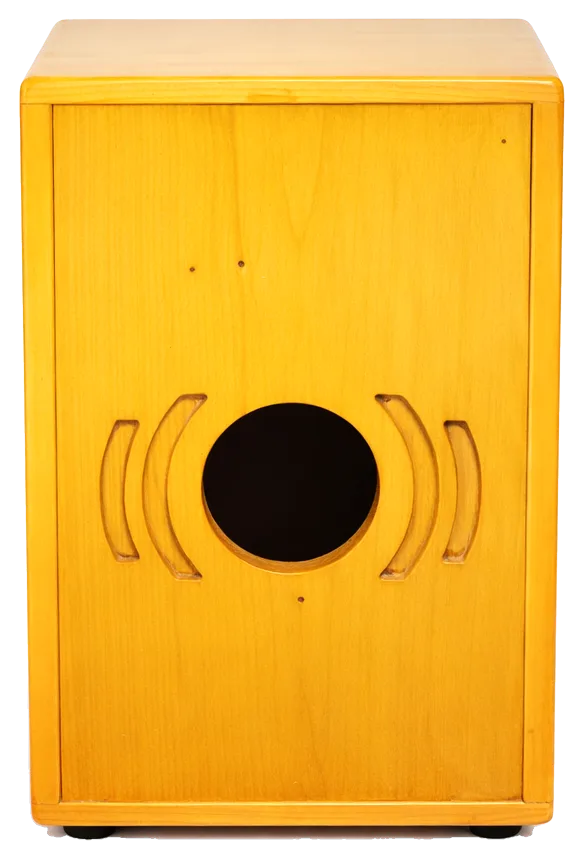
Close detail of the pinewood grain on a MusicOn cajon
01

The wood decides everything

Boards arrive and get sorted by ear before they get sorted by eye. Held at one corner and tapped, a good panel rings and holds the note; a dead one thuds. The dead ones become jigs and offcuts, never instruments.

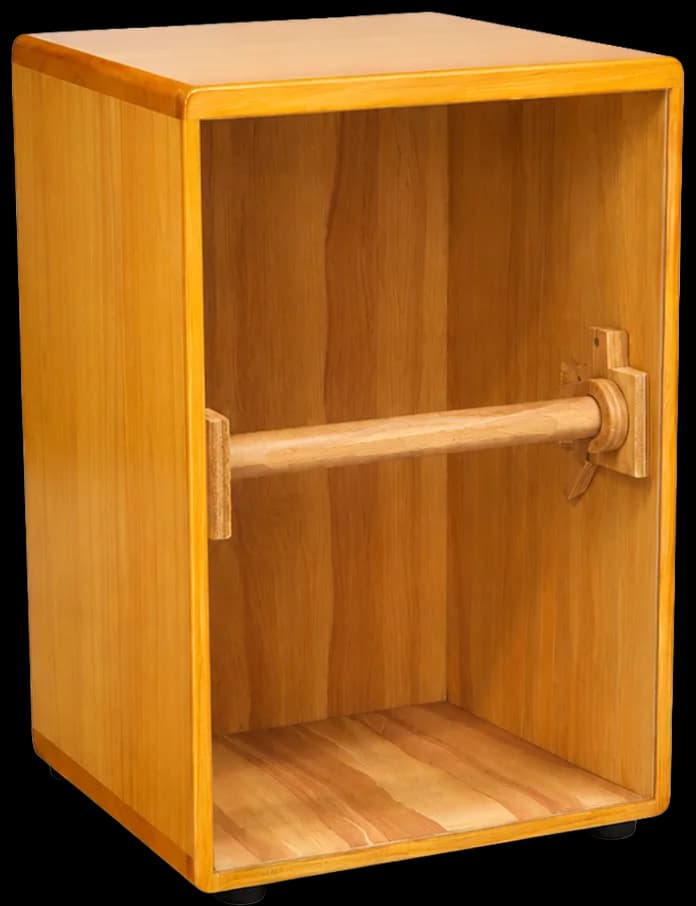
The braced interior of a MusicOn cajon, before the snare is fitted
02

Cutting, jointing, bracing

Panels are cut oversize, jointed, then trimmed to final dimension. Inside, bracing stiffens the sides and back so they stay still, because every bit of energy that moves the sides is energy the front plate is not using to make sound.

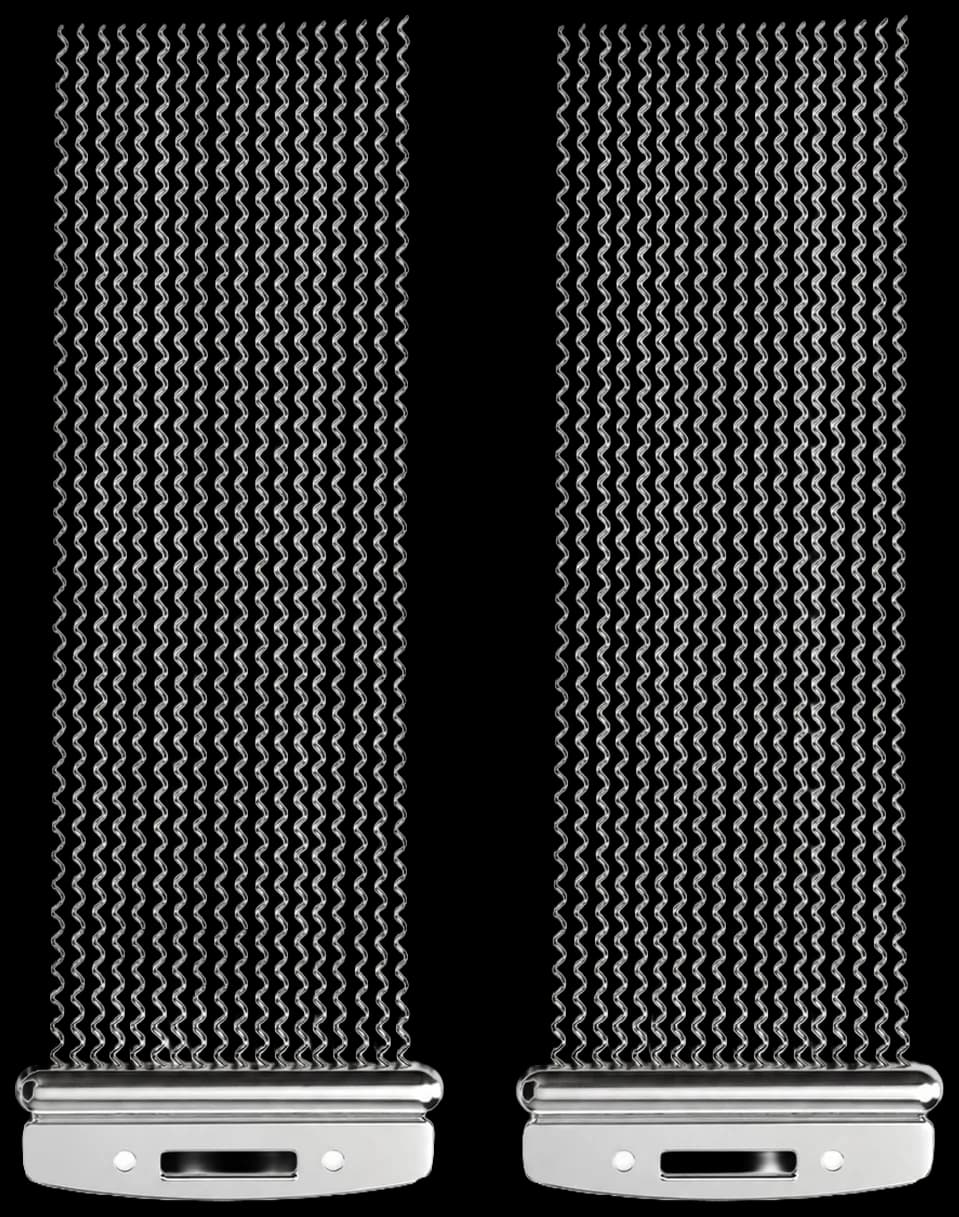
The two 20-strand premium-grade steel snare wires fitted to every MusicOn cajon
03

Setting the snare

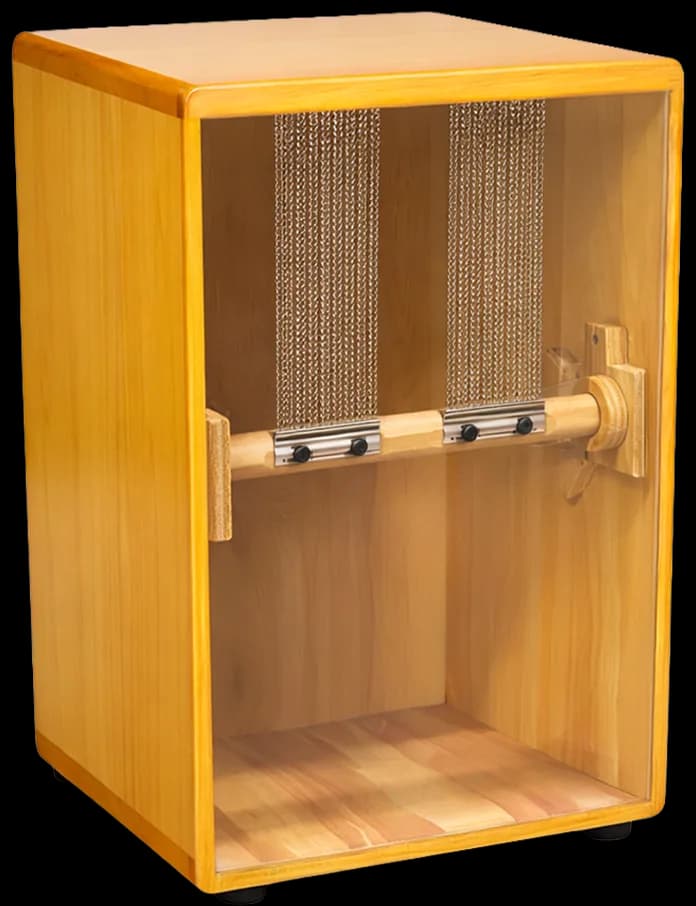
The slowest step by a wide margin. Two steel snare wires, 20 strands each, are positioned against the back of the tapa a fraction of a millimetre at a time, played, adjusted, played again. Too close and every note buzzes. Too far and the slap loses its edge.

Inside a MusicOn cajon, showing the snare wires and the adjuster bar
04

Port and tuning

The sound port is cut, chamfered and tested. Its size sets where the bass sits. On the Craft Series an external knob then lets the player move the snare tension themselves, from dry and woody to bright and sizzling.

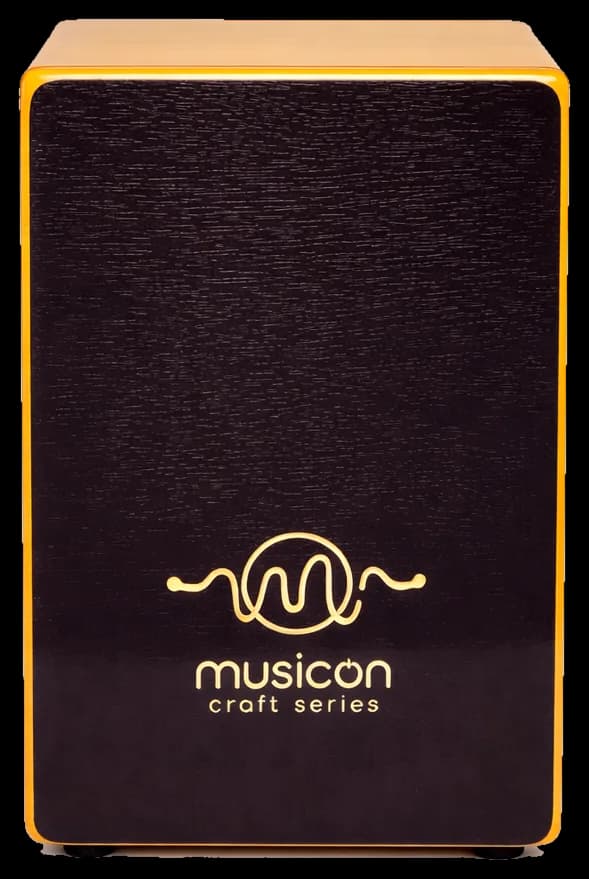
A finished MusicOn Craft Series cajon
05

Finishing, then playing

Sanded through the grits to 400, stained, lacquered, left to cure properly. Then it gets played hard for a while by the person who built it. Anything that rattles, buzzes or chokes goes back to the bench.

The other half

And what we refuse to do.

Most of what makes an instrument good is a list of things nobody did to it. This is ours. Several of these get asked for every month, and the answer is still no.

We don’t put another brand’s name on it

People ask, and we understand why — a foreign badge still sells here. But we have set these next to imports costing three times as much and listened to both, and we know which one we would rather play. Putting somebody else’s logo on our work would be conceding something we do not believe.

We don’t spray paint a cajon

The front plate is 3mm thick and it is the part that actually makes the sound — it works the way a speaker cone works. A sprayed finish lays mass and stiffness across the whole of it, and a plate carrying extra weight moves less: the slap loses its crack, the bass loses its attack, and the note dies as soon as your hand leaves. It fills the grain too, so the surface turns slick under the hand instead of staying dry. We stain, we lacquer thin, and we stop.

We don’t print artwork onto the tapa

Same physics, worse. A printed or wrapped layer is stiffest exactly where the plate needs to move most — the centre, where the bass note comes from. A full-face print buys you a quieter, shorter, duller cajon, and no photograph of it will tell you that.

If you want to decorate itPaint it yourself if you want to — plenty of players do and we like seeing it. Keep it thin, keep it near the edges, and leave the centre and the top strike zone bare. The plate goes quiet in proportion to how much of it you cover.

We don’t buy wood we cannot vouch for

Every board clears three things before it is allowed near a bench: termite-free, rings when it is tapped, and seasoned enough to go through a monsoon without cupping or opening a joint. We learned the last two the hard way — our first cajon that actually worked was jackfruit, and it sounded wonderful right up until the damp and the termites found it.

We don’t put a cheaper snare in a cheaper box

The least expensive cajon we make carries the same two 20-strand premium steel snare wires as the dearest one. What separates them is the body and whether the snare adjusts. Quietly downgrading the part that makes it a snare cajon at all would be the easiest saving available to us, and the least honest.

We don’t ship one we have not played

Every cajon is played hard by the person who built it before it is allowed into a box. Anything that rattles, buzzes or chokes goes back to the bench. A spec sheet cannot catch a buzz; a pair of hands can.

We don’t open a factory

We have been asked, and the arithmetic works. But every box that leaves here has been through one pair of hands from board to bag, and that is not a detail of how we make them — it is the product. Scale it and you are selling something else with our name on it.

Inside the box

Nothing in here is decorative.

Every part of a cajon is doing acoustic work. Turn the box, pick a part to see what it does to the sound — and tap the front plate to hear roughly where the low end sits.

Drag to turn it. Tap the front plate to hear it.

Part 1 of 6

Two steel snare wires

Every cajon we build is a snare cajon, and every one carries the same pair: two premium-grade steel snare wires, 20 strands each, lying flush against the back of the striking plate. Not brass, not iron — steel holds its tension and its brightness far longer. Hit near the top edge and they answer with a crack; move to the centre and they drop out of the way.

Now go and play one.

Shop the range