
2013
A box that did not exist here
A cajon in Bangladesh meant an import, a long wait, and a price that put it out of reach of most of the people who actually wanted to play one. There was nothing made here to buy instead.
Our Story · Bangladesh’s First Cajon Workshop
The long version
2013
A cajon in Bangladesh meant an import, a long wait, and a price that put it out of reach of most of the people who actually wanted to play one. There was nothing made here to buy instead.
2014
We formed a band called Swarobanjo (Bengali Wikipedia, opens in a new tab) and needed a cajon for a campus concert. What we could find was expensive and voiced for jazz and latin — bright, dry, tuned for a room we were not playing in. We wanted it for folk and rock. So we tried to build one instead. Wrong wood, wrong thickness, wrong bracing. Boxes that thudded instead of rang, snares that buzzed on every note. We kept the failures in a corner of the workshop for a long time, as a reminder of the distance covered.
2014
The first box that actually rang was jackfruit. Everyone who heard it asked where it had come from, and then asked for one of their own — more requests than we had any way to fill. But jackfruit is heavy and bulky, termites like it, and it bends. It sounded right and it would not last. Back to the bench.
2015
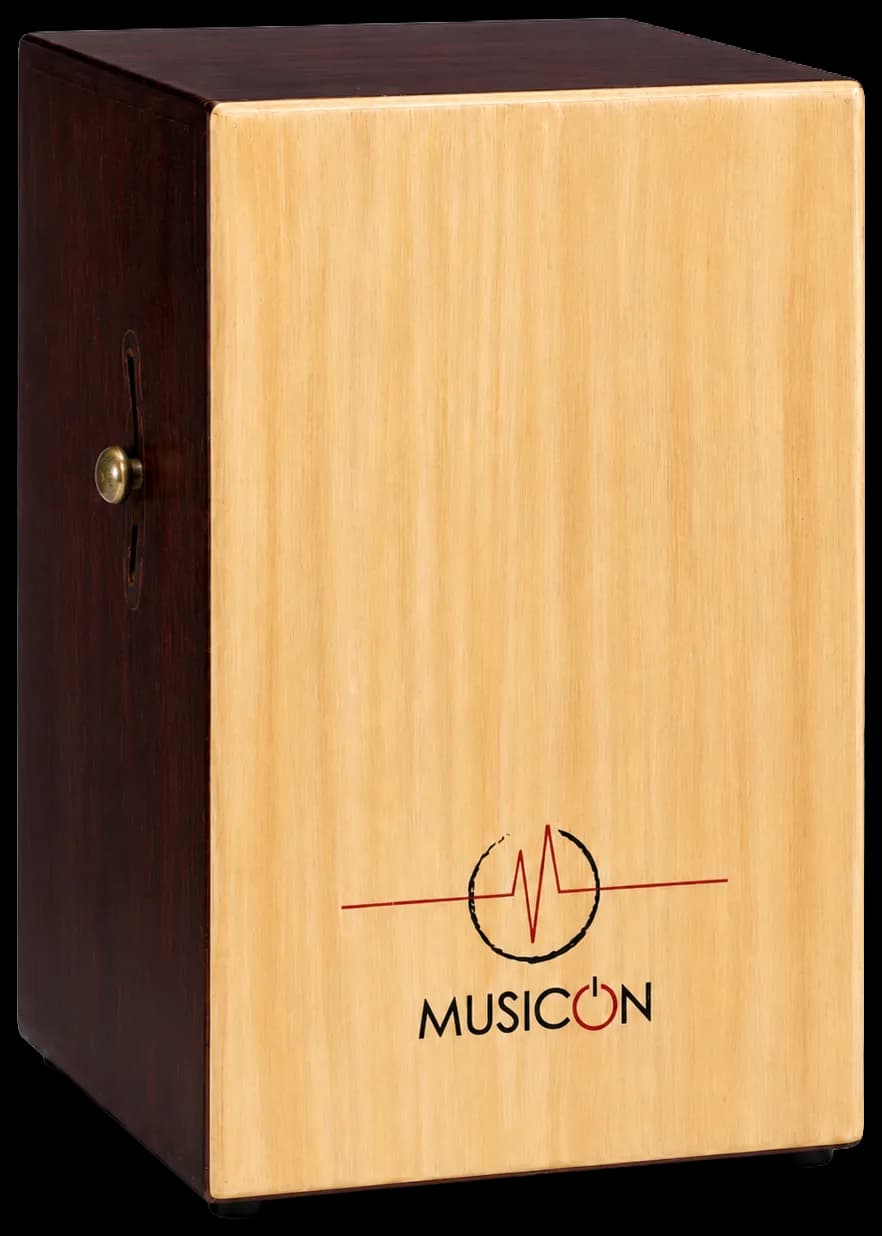
Plywood turned out to be the honest answer in this climate — stable through monsoon humidity, light enough to carry, cheap enough that a student could own one. Hundreds went out in the first year with no promotion of any kind, and we hit a backlog we could not clear. It gave new players the confidence to start bands, and it began turning up in photographs of musicians we had grown up listening to.
2017
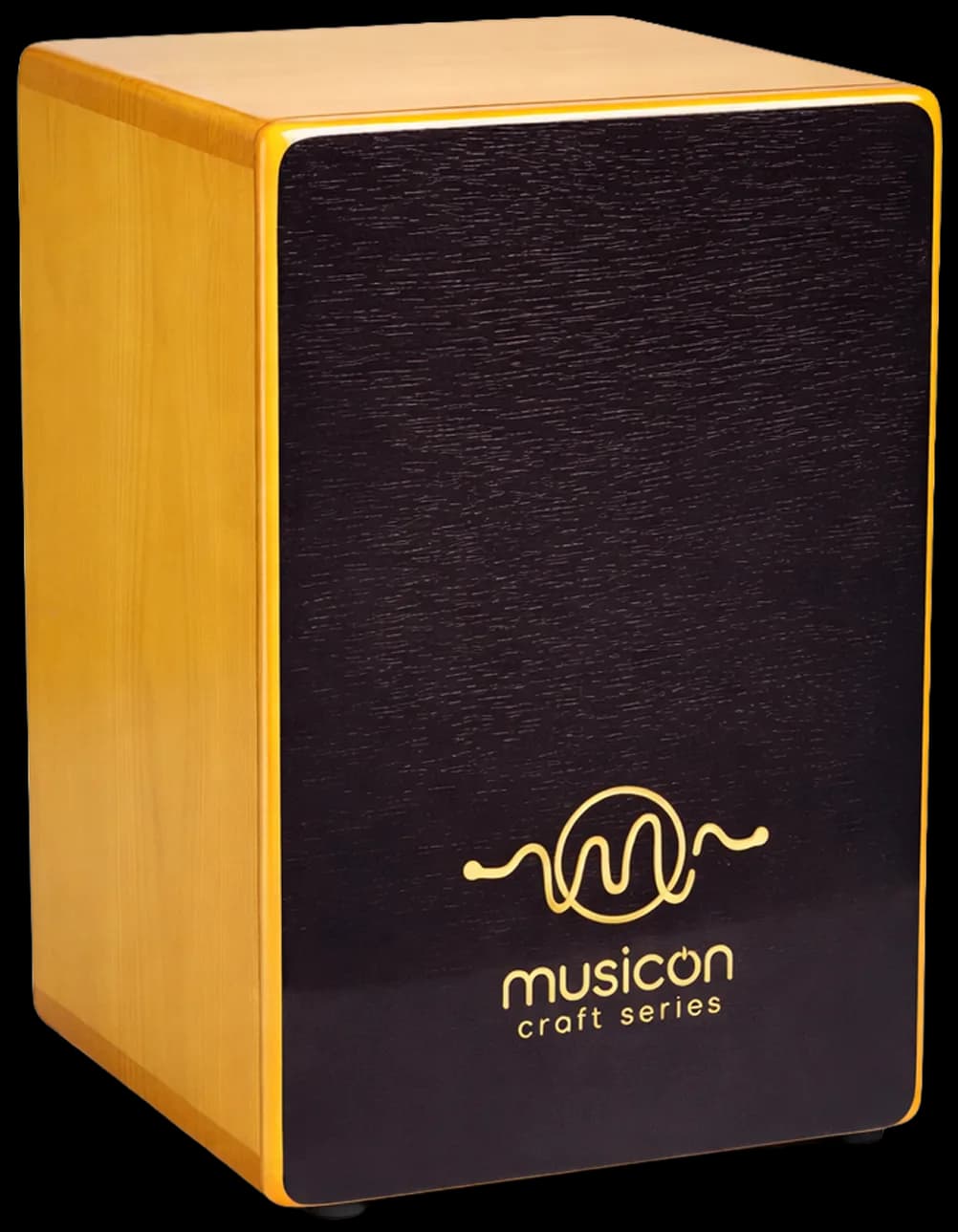
Solid wood, an adjustable snare, and a finish we were finally willing to put our name on in gold. It costs more because it takes longer and because the material is less forgiving. It sounds like it.
2019
The workshop never really ran at a profit, and that was not an accident. What came in bought the band its instruments and paid for us to play across the country for free. The rest went to students who needed it, and to families the floods had taken everything from.
2020
The pandemic took the demand with it, and what was left of the market filled up with cheap counterfeits — boxes that looked like ours and sounded like a drawer. We were university students with degrees to finish. We put the tools down.
2024
In an instrument shop in Science Lab, Dhaka, I tried a cajon and it was terrible. The man behind the counter told me that if I wanted one that sounded good I would have to go to Rajshahi — but they don’t make them anymore. He was talking about us. Somewhere in those four years we had become a thing people told each other about, in the past tense. That is a strange way to find out you were worth something.
2026
So we started again. Same workshop, same bench, and a great deal more research than we had the first time — better wood, better snares, and a country that has gone six years without a decent cajon made in it. We are not in a hurry. We are just building them properly again.
12
Years since the first box
64
Districts played in
4
Models, on purpose
“Let the box speak” was never a slogan. It is the whole method — build the box well enough that it does not need explaining.
See what we build